Water hygiene
There is a risk of bacteria, like Legionella, growing in your water system but there are things you can do to reduce the risk.
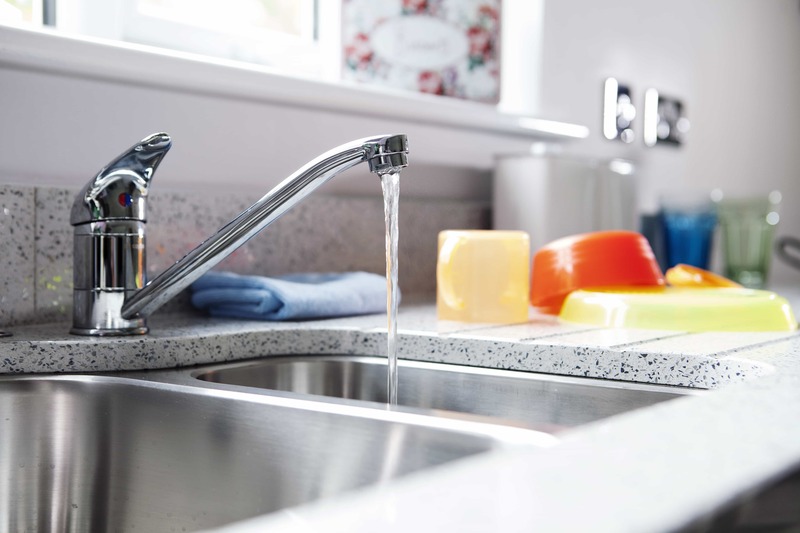
How to reduce the risk of bacteria
Water temperature
The risk of Legionella bacteria growing increases in water systems between 20°C and 50°C. Below 20°C, the bacteria is inactive and stops growing. Above 50°C, it struggles to survive. Water above 50°C is a scalding risk.
So, keep your cold water cold and keep your hot water hot.
Clean taps and showerheads
Limescale and grime is a food source for bacteria, so please regularly clean and descale limescale from taps and showerheads
Flush out infrequently used outlets
If water does not move around a system frequently, it can become stagnant increasing the chance for bacteria to grow.
An infrequently used outlet is any water outlet that nobody has used for 7 days.
If you have been away from your home or haven't used your water for 7 days or more:
- run taps for about 5 minutes at a low flow to prevent creating water spray
- remove shower heads and run at a high temperature for about 2 minutes
- close toilet lids and flush toilet twice to circulate fresh water through the system
- heat your hot water tank to above 60°C before you use it, if you switched it off
If you are going to be away from your home for 7 days or more and have a wet and dry toilet, like a Closomat, switch it off at the wall. This removes warm water from the cistern. When you return to your home, close the toilet lid and flush twice.
If you have a water butt, you will need to regularly drain and empty it to prevent water from becoming stagnant.
People at higher risk
Bacteria can affect everyone, but certain groups of people are at higher risk, including people:
- over 50
- with existing conditions that affect their breathing or their heart
- being treated for cancer
- with diabetes or kidney disease
- with a weakened immune system
Water hygiene risk assessment
As a landlord we have a responsibility to carry out water hygiene risk assessments in our homes when needed. We have appointed a specialist contractor along with our own teams, to carry out water hygiene risk assessments on our behalf.
We are required to carry out risk assessments in every home we own. If we find anything that needs repairing during the assessment, we will arrange a repair appointment with you.
If your home is due to have a water hygiene risk assessment carried out, Gentoo will contact you directly via a letter to arrange an appointment.